UX/UI Case Study

ArtExplorer App V1.0

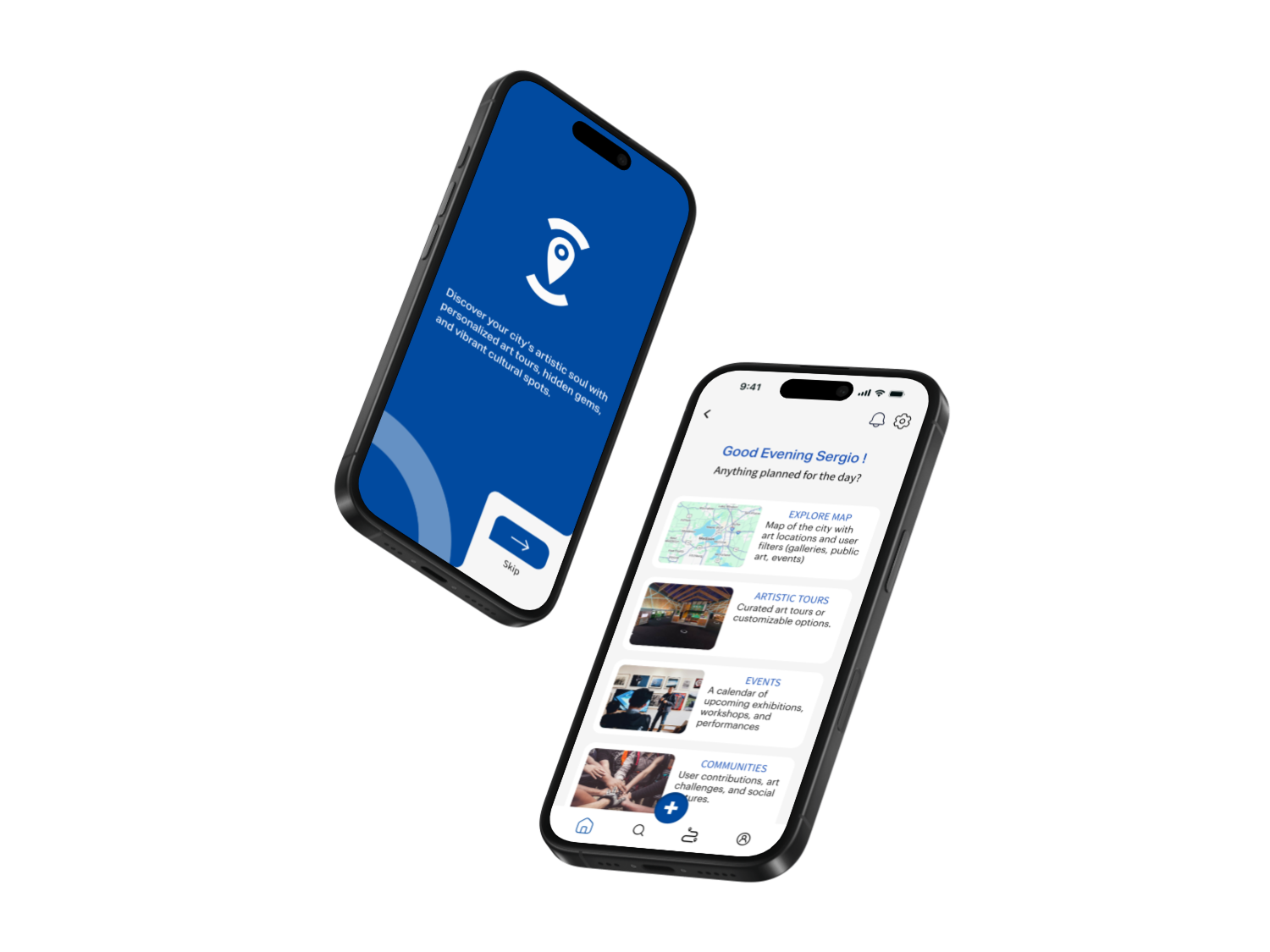
ArtExplorer is a mobile app concept that helps travelers discover galleries, murals, street art, and hidden cultural spots through GPS-powered discovery and curated exploration flows. My work moved from research and survey insights into user flows, wireframes, MVP definition, and high-fidelity mobile screens.

Mobile
Product type
UX/UI
Role focus
Research
Project driver
Concept

Art discovery app

A mobile experience designed to help travelers find galleries, murals, hidden cultural spots, and art events without heavy planning.

Role

UX/UI Designer

Research, survey analysis, MVP definition, user flows, wireframes, and high-fidelity mobile UI presentation.

Tools

Figma + FigJam

Figma, FigJam, Microsoft Forms

The problem

Travelers should not have to hunt for local art.

Travelers often want to explore local art in a new city but struggle to find reliable information, navigate unfamiliar streets, and identify galleries or murals worth visiting. Existing discovery methods can feel scattered, time-consuming, or dependent on random online research.

Objective

Create an easy, mobile-first art discovery experience that helps users find nearby galleries, murals, studios, exhibitions, and cultural events.

Audience

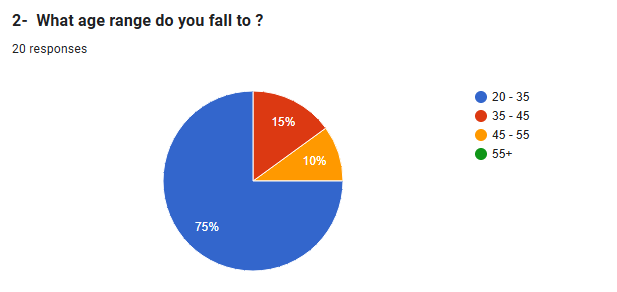
Young adult travelers, art enthusiasts, casual culture seekers, students, and visitors who are curious about local art.

Constraints

The concept needed to balance exploration, location accuracy, privacy expectations, limited planning time, and focused MVP scope.

Research insight

The survey showed interest in art, but discovery habits were unstructured.

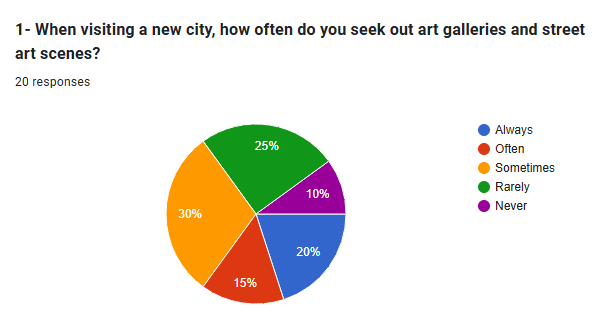
65% of respondents seek out art often or sometimes while traveling, but many rely on scattered online research or random wandering. That confirmed the need for a more direct, location-aware discovery experience.

What users needed

The product direction centered on fast discovery, helpful context, and a lightweight way to save locations for later.

Process

From discovery research to a focused mobile MVP.

Step 01

Research and problem framing

I defined the discovery challenge and investigated how travelers find local art, where existing tools fall short, and what an on-the-go discovery app would need to support.

Step 02

Survey insights

A screener survey helped identify user behaviors: art interest exists, but discovery methods are clumsy, planning is inconsistent, and reliable information is difficult to find quickly.

Step 03

MVP definition

I prioritized map-based discovery, gallery details, saved places, reviews, educational context, profiles, and event discovery so the first version stayed useful and focused.

Step 04

User flow and wireframes

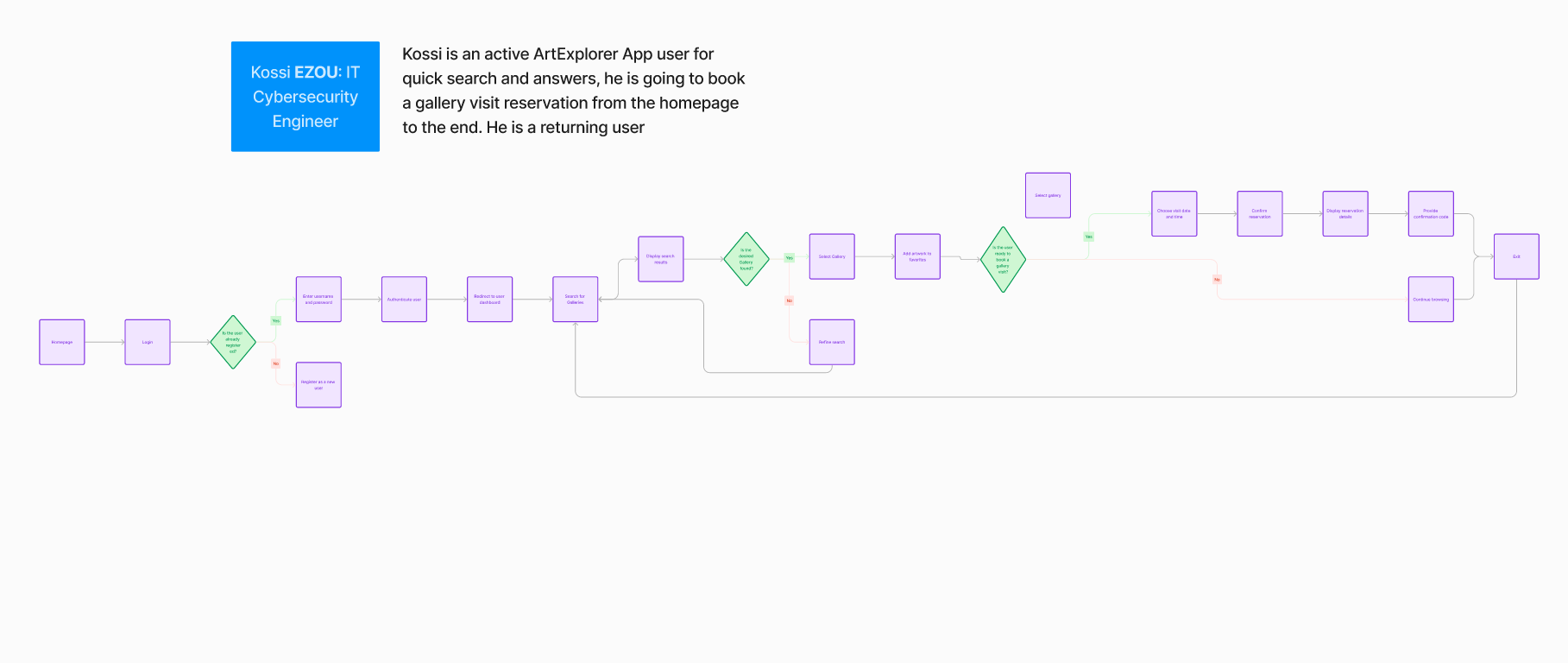
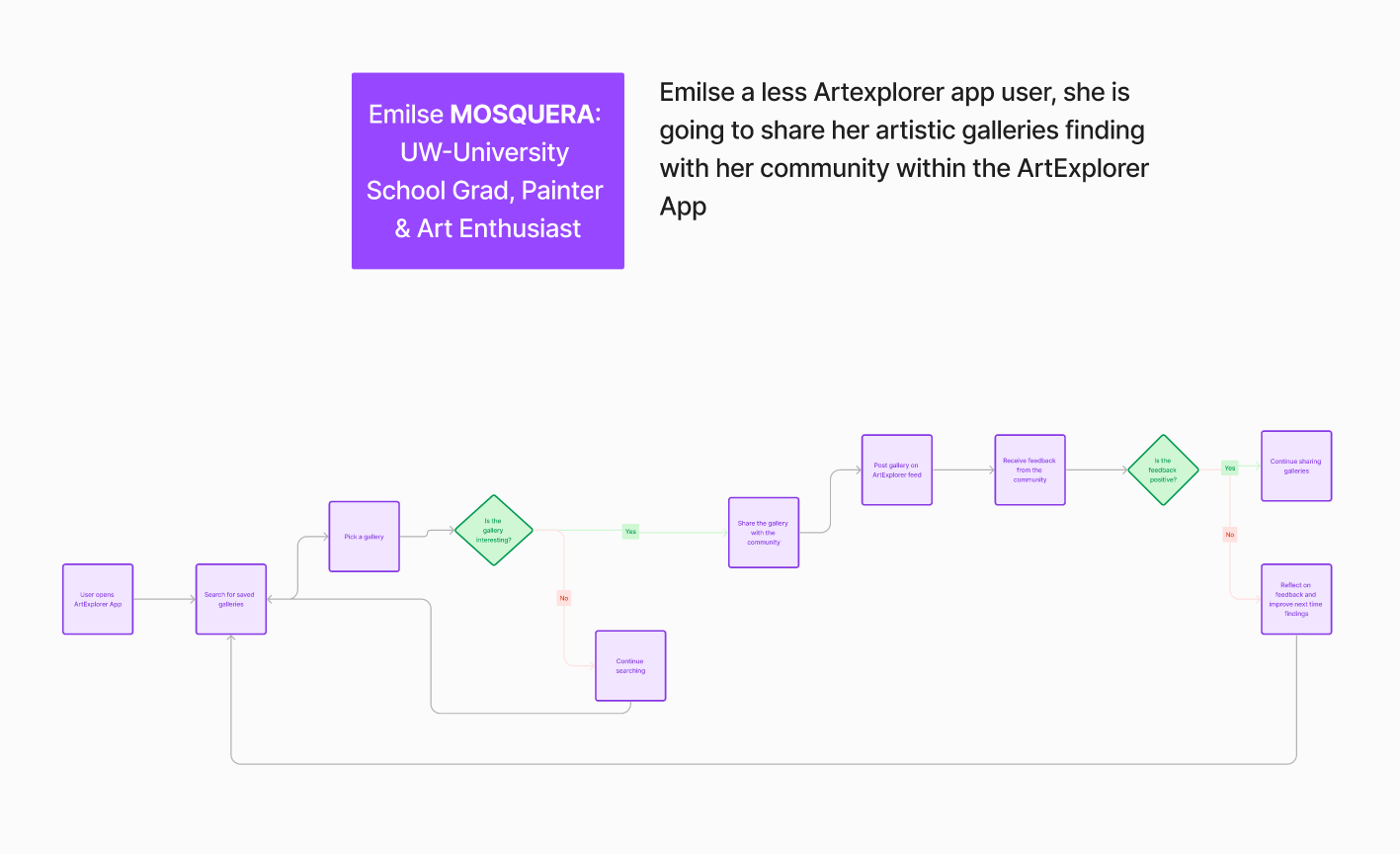
I mapped the core flow in FigJam and translated the experience into wireframes that guide users from discovery to saved destinations and gallery details.

Step 05

High-fidelity mobile UI

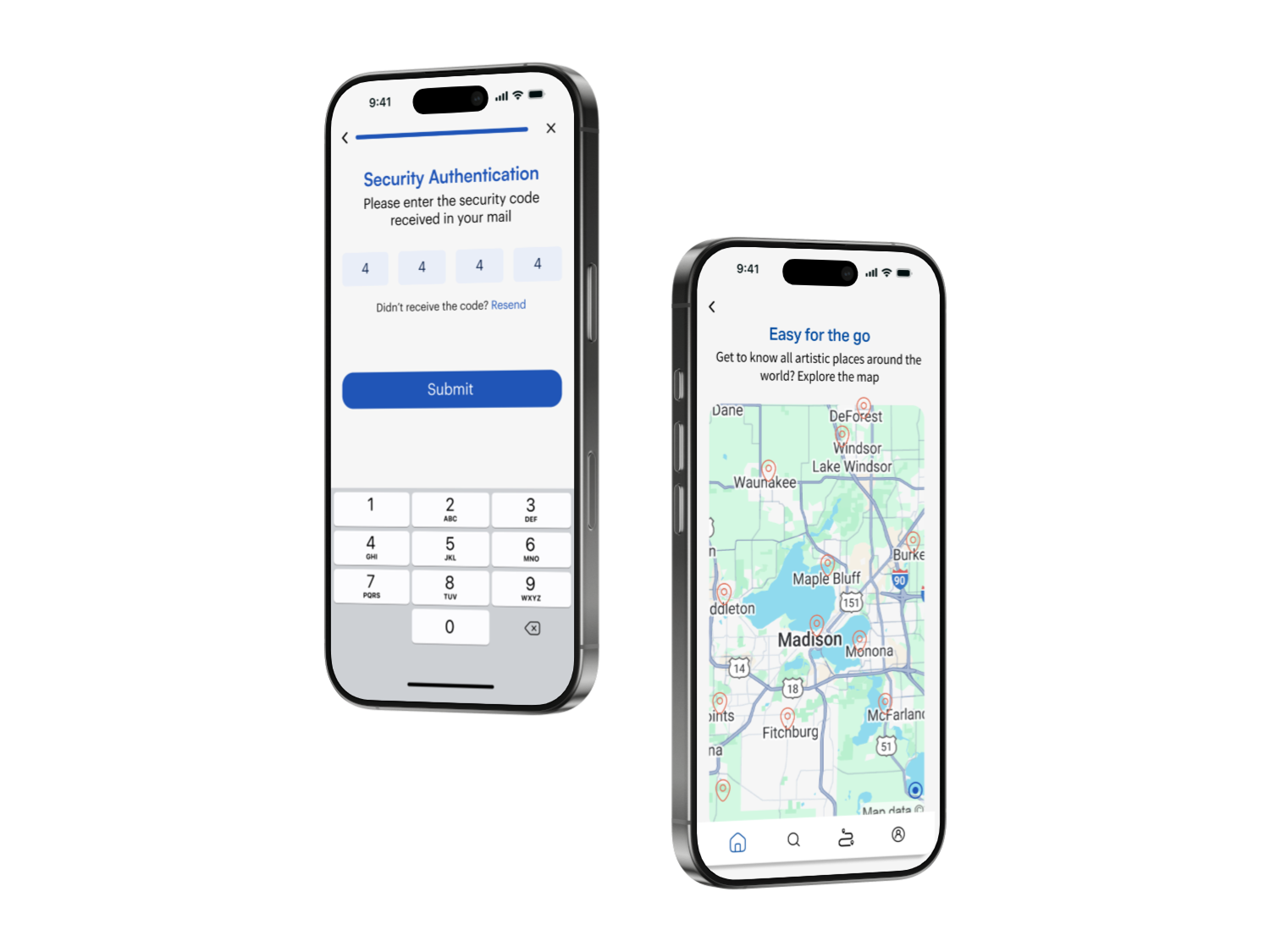
I designed polished mobile screens for onboarding, authentication, home discovery, and exploration moments using a clean interface that supports quick decisions.

Design decisions

Each decision kept the app focused on useful exploration.

The project needed to balance inspiration with practical navigation. The final direction uses a map-first structure, simple saving tools, and approachable learning content for casual and committed art seekers.

Map-based discovery as the core experience

Reason: Research showed users needed quick location-aware guidance instead of scattered online searching.

Impact: The concept gives users a direct way to find nearby art locations and plan spontaneous visits.

Lightweight MVP scope

Reason: A first version needed to stay focused on the highest-value exploration tasks.

Impact: The app avoids feature overload while still supporting discovery, saving, reviews, and events.

Educational micro-content

Reason: Casual art seekers may be interested but not expert-level users.

Impact: The experience becomes more welcoming and helps users understand what they are seeing.

Final work

Mobile screens and flows for a clearer art discovery experience.

Splash and onboarding moments establish the app experience.

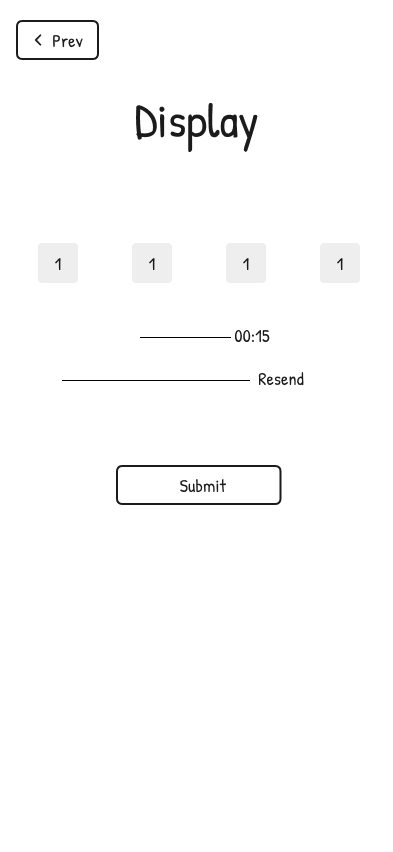
Authentication screens support a simple account flow.

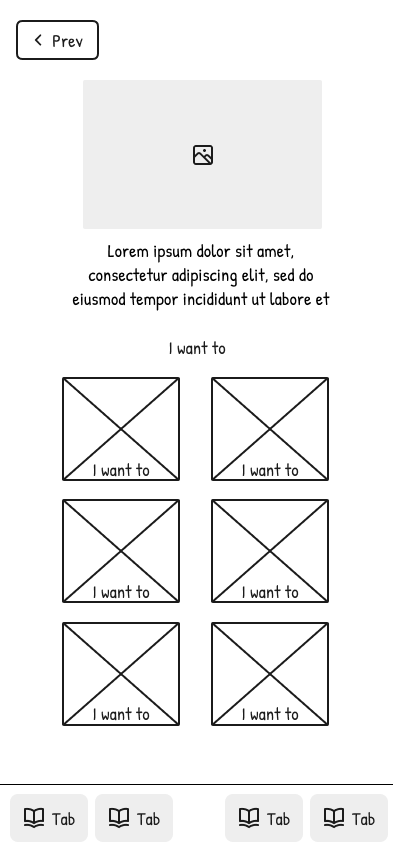
Home discovery gives users a direct way to start exploring.

User flow mapping clarified the path through the experience.

Wireframe and flow artifacts helped refine the product before final UI.

Outcome

A research-backed mobile concept for spontaneous cultural exploration.

The final ArtExplorer concept turns local art discovery into a clearer mobile experience. It connects research-backed pain points to a focused MVP, giving users a map-first way to explore cultural spaces while saving places, reviewing locations, and learning more about art in context.

Survey-backed needs

Survey findings confirmed pain points around discovery, navigation, and planning.

Defined MVP

Core features were prioritized around the most valuable exploration tasks.

Mapped user journey

FigJam flows and wireframes helped reduce friction before high-fidelity design.

Recruiter takeaway

A UX/UI project that connects research, scope, flows, and polished mobile interface design.

This case study shows my ability to connect research insights to product scope, user flows, wireframes, and a polished mobile UI concept.